

Many buyers have questions when selecting PVC tarpaulin: How good is its overall quality? Can its waterproofing, abrasion resistance, and durability meet the demands of long-term outdoor use?
PVC tarpaulin is a composite material typically made with a polyester fabric base and a PVC coating. It is widely used for truck covers, outdoor tents, and industrial protection. Its quality depends not only on the raw materials but also on the coating process, fabric construction, and production control. Understanding these factors helps buyers determine whether a product meets their project requirements.
✦Four Key Factors for Evaluating PVC Tarpaulin Quality
When selecting PVC tarpaulin, buyers should look beyond surface appearance and thickness. The following factors deserve particular attention:
The fabric base and PVC coating are two important factors to verify during procurement. However, a higher fabric weight does not automatically mean better quality. Buyers should consider the intended application, strength requirements, and fabrication method. Products described only as "thickened" or "high strength" without clear technical specifications should be evaluated further with the supplier.
✦What Is the Difference Between PVC Coating and PVC Lamination?
PVC coating and PVC lamination are two common manufacturing processes used for PVC fabrics. They differ in how the materials are bonded, their surface characteristics, and their typical applications. Understanding these differences is important when selecting PVC tarpaulin.
Neither process is universally better than the other. The actual performance of PVC-coated and PVC-laminated fabrics also depends on the base fabric structure, PVC formulation, and manufacturing control. Buyers should select the appropriate process according to the operating environment, mechanical performance requirements, and budget.
✦How to Evaluate PVC Tarpaulin Samples
Before placing a bulk order, buyers should inspect product samples and arrange relevant performance tests based on the project's requirements. This helps reduce procurement risks.
For large-volume orders, buyers can also arrange a small trial batch before full production to verify material performance and fabrication compatibility.
✦How Does Stable Production Capacity Help Ensure PVC Tarpaulin Quality?
The final quality of PVC tarpaulin depends not only on materials and manufacturing processes but also on production equipment, process control, and batch management.
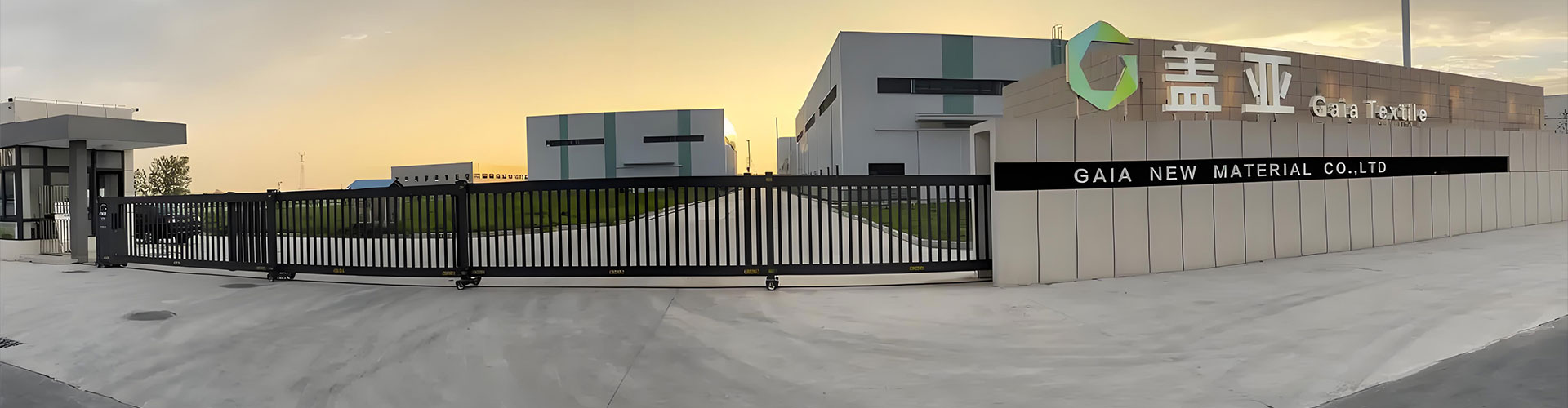
Founded in 2015, Gaia Textile specializes in PVC industrial fabrics, including architectural membrane materials, flexible ventilation duct fabrics, PVC tarpaulins, and inflatable fabrics. In 2021, the company established a new factory in Lianyungang, China. It currently operates four PVC tarpaulin production lines, with a monthly production capacity of up to 4.5 million m² and a maximum finished roll width of 3.6 m.
A wider finished roll can help reduce the number of seams required in certain applications, thereby reducing potential leakage risks associated with welded joints. Meanwhile, standardized production procedures and batch quality control help maintain consistent product specifications and performance, supporting the requirements of large-volume orders.
✦Conclusion
PVC tarpaulin is a well-established waterproof composite material, but its quality cannot be judged by thickness or appearance alone. During procurement, buyers should verify the fabric base and coating specifications, manufacturing process, relevant test results, and production quality control measures. These checks help ensure that the selected material meets the requirements of its intended application.


